

[Chungraon = Associate Editor-in-Chief Dongseop David Yeo] The United States Navy has been stretched thin across multiple regions as it continues to play a major role in global security. Its attack submarine fleet has faced growing demand around the world, and as rival powers such as China and Russia continue to expand their naval capabilities and military technology, it has become increasingly difficult for the U.S. to maintain its edge in undersea warfare.
As one of Washington’s key military allies, South Korea has moved forward with a plan that could support both its own defense needs and the broader U.S. alliance network. During a bilateral summit held in Gyeongju on the sidelines of the 2025 APEC meetings in October 2025, South Korean President Lee Jae-myung raised the issue of securing support and fuel for nuclear-powered submarines in talks with U.S. President Donald Trump. Trump later publicly backed the idea, saying, “I have given them approval to build a nuclear-powered submarine, rather than the old-fashioned and far less nimble diesel-powered submarines that they have now.”
South Korean officials, defense experts and companies have said the country already has a strong shipbuilding and defense industrial base. However, Trump’s statement did not settle all the remaining details. Further cooperation with the United States would still be needed, especially on nuclear fuel, legal arrangements and other implementation issues.
The main reason behind South Korea’s pursuit of nuclear-powered submarines is to supplement its existing diesel-powered submarine fleet while responding to North Korea’s growing nuclear and missile threats, China’s expanding naval power and the broader naval buildup in Northeast Asia. Supporters of the plan argue that nuclear-powered submarines would give South Korea longer underwater endurance and greater operational flexibility compared with diesel-electric submarines.
U.S. officials have indicated that they would work to move the process forward, although legal, technical and fuel-supply details could take more time. In November 2025, U.S. Secretary of Defense Pete Hegseth said his department would work closely with the State and Energy departments on the issue.
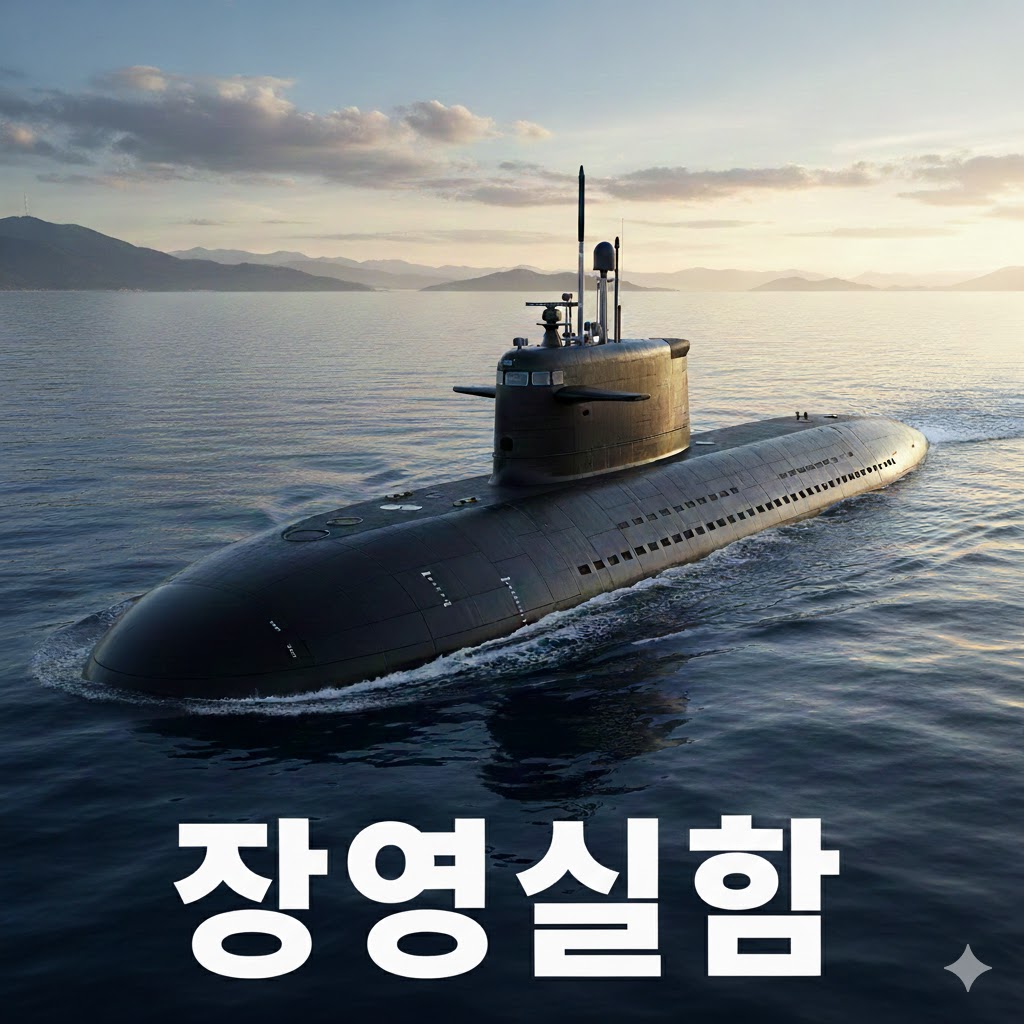
Separately, South Korea has continued improving its conventional submarine fleet. In October 2025, South Korea launched the 3,600-ton-class ROKS Jang Yeong-sil, a new diesel-electric submarine equipped with lithium-ion batteries. South Korean authorities presented it as an advanced domestically built submarine, though it remains conventionally powered.
The Jang Yeong-sil’s lithium-ion batteries are expected to allow for longer underwater operations and better high-speed maneuverability compared with traditional lead-acid batteries. While the submarine is not nuclear-powered, it still represents a major step forward in South Korea’s domestic submarine program.
North Korea’s state media, the Korean Central News Agency, criticized South Korea’s push for nuclear-powered submarines, arguing that it could increase tensions on the Korean Peninsula. KCNA said the move was “bound to cause a nuclear domino phenomenon in the region and spark a hot arms race.”
China has also urged caution and restraint. Chinese Foreign Ministry spokesperson Guo Jiakun said Beijing hopes South Korea and the United States will “earnestly fulfil their nuclear non-proliferation obligations” and act in ways that promote regional peace and stability, “not otherwise.”
/Dongseop David Yeo
1 Comment