


- 1[Chungraon = Associate Editor-in-Chief Dongseop David Yeo] The United States Navy has been stretched thin across multiple regions as it continues to play a major role in global security.
- 2Its attack submarine fleet has faced growing demand around the world, and as rival powers such as China and Russia continue to expand their naval capabilities and military technology, it has become increasingly difficult for the U.S.
- 3to maintain its edge in undersea warfare.
[Chungraon = Associate Editor-in-Chief Dongseop David Yeo] The United States Navy has been stretched thin across multiple regions as it continues to play a major role in global security. Its attack submarine fleet has faced growing demand around the world, and as rival powers such as China and Russia continue to expand their naval capabilities and military technology, it has become increasingly difficult for the U.S. to maintain its edge in undersea warfare.
As one of Washington’s key military allies, South Korea has moved forward with a plan that could support both its own defense needs and the broader U.S. alliance network. During a bilateral summit held in Gyeongju on the sidelines of the 2025 APEC meetings in October 2025, South Korean President Lee Jae-myung raised the issue of securing support and fuel for nuclear-powered submarines in talks with U.S. President Donald Trump. Trump later publicly backed the idea, saying, “I have given them approval to build a nuclear-powered submarine, rather than the old-fashioned and far less nimble diesel-powered submarines that they have now.”
South Korean officials, defense experts and companies have said the country already has a strong shipbuilding and defense industrial base. However, Trump’s statement did not settle all the remaining details. Further cooperation with the United States would still be needed, especially on nuclear fuel, legal arrangements and other implementation issues.
The main reason behind South Korea’s pursuit of nuclear-powered submarines is to supplement its existing diesel-powered submarine fleet while responding to North Korea’s growing nuclear and missile threats, China’s expanding naval power and the broader naval buildup in Northeast Asia. Supporters of the plan argue that nuclear-powered submarines would give South Korea longer underwater endurance and greater operational flexibility compared with diesel-electric submarines.
U.S. officials have indicated that they would work to move the process forward, although legal, technical and fuel-supply details could take more time. In November 2025, U.S. Secretary of Defense Pete Hegseth said his department would work closely with the State and Energy departments on the issue.
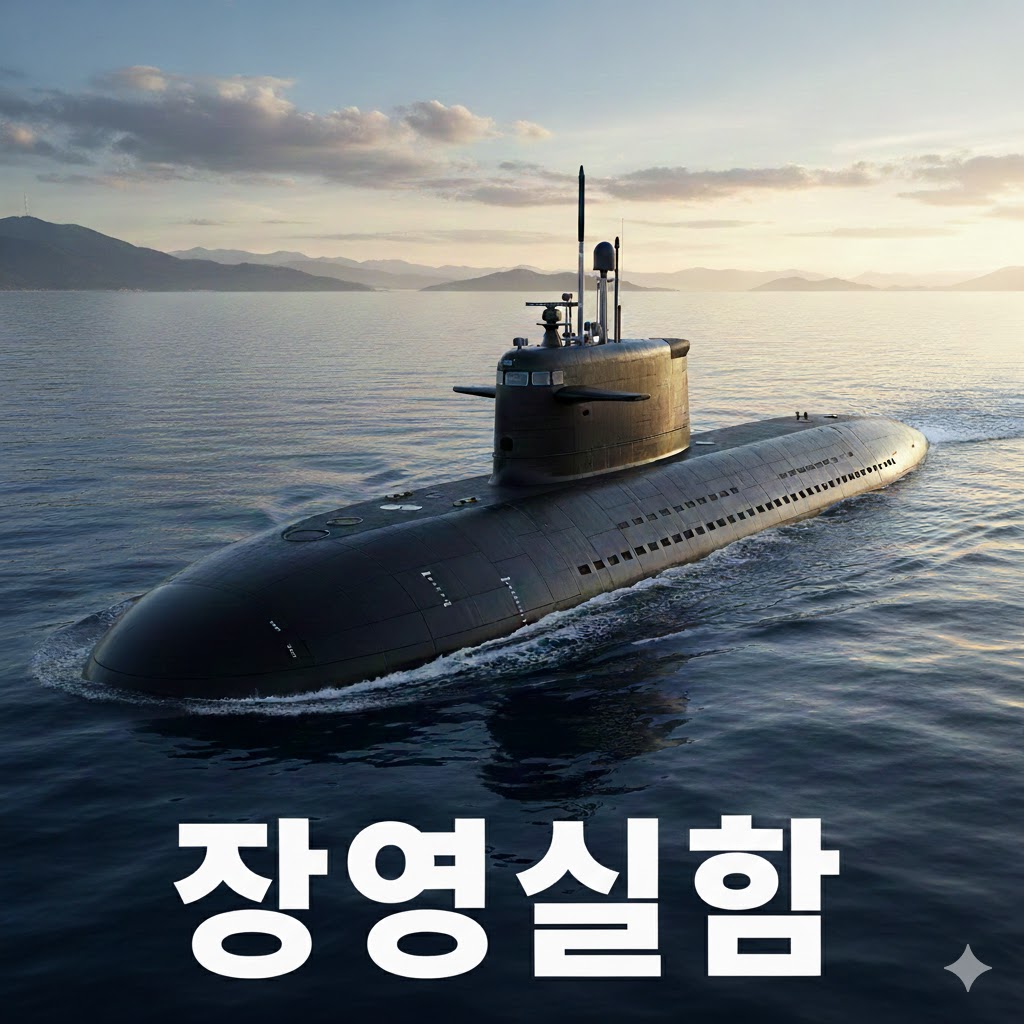
Separately, South Korea has continued improving its conventional submarine fleet. In October 2025, South Korea launched the 3,600-ton-class ROKS Jang Yeong-sil, a new diesel-electric submarine equipped with lithium-ion batteries. South Korean authorities presented it as an advanced domestically built submarine, though it remains conventionally powered.
The Jang Yeong-sil’s lithium-ion batteries are expected to allow for longer underwater operations and better high-speed maneuverability compared with traditional lead-acid batteries. While the submarine is not nuclear-powered, it still represents a major step forward in South Korea’s domestic submarine program.
North Korea’s state media, the Korean Central News Agency, criticized South Korea’s push for nuclear-powered submarines, arguing that it could increase tensions on the Korean Peninsula. KCNA said the move was “bound to cause a nuclear domino phenomenon in the region and spark a hot arms race.”
China has also urged caution and restraint. Chinese Foreign Ministry spokesperson Guo Jiakun said Beijing hopes South Korea and the United States will “earnestly fulfil their nuclear non-proliferation obligations” and act in ways that promote regional peace and stability, “not otherwise.”
/Dongseop David Yeo

댓글 1
[청라온 = 여동섭 편집부국장] 미국 해군은 세계 여러 지역에서 안보 임무를 수행하면서 부담이 커지고 있다. 특히 공격잠수함 전력에 대한 수요는 전 세계적으로 늘고 있으며, 중국과 러시아 같은 경쟁국들이 해군력과 군사 기술을 계속 강화하면서 미국이 해저전 분야에서 우위를 유지하는 일도 갈수록 어려워지고 있다.
미국의 핵심 군사 동맹국 중 하나인 한국은 자국의 방위 수요뿐 아니라 한미 동맹 전체에도 도움이 될 수 있는 계획을 추진해 왔다. 2025년 10월 APEC 회의를 계기로 경주에서 열린 양자 정상회담에서 이재명 대통령은 도널드 트럼프 미국 대통령과의 회담 중 원자력 추진 잠수함에 대한 지원과 핵연료 확보 문제를 제기했다. 이후 트럼프 대통령은 이 구상을 공개적으로 지지하며 “나는 한국이 현재 보유한 구식이고 기동성이 떨어지는 디젤 추진 잠수함 대신 원자력 추진 잠수함을 건조하도록 승인했다”고 밝혔다.
한국 정부 관계자들과 국방 전문가, 관련 기업들은 한국이 이미 강력한 조선 및 방위산업 기반을 갖추고 있다고 밝혀 왔다. 그러나 트럼프 대통령의 발언만으로 남은 세부 사항들이 모두 해결된 것은 아니었다. 특히 핵연료, 법적 합의 및 제도적 조율, 그 밖의 이행 문제와 관련해서는 미국과의 추가 협력이 여전히 필요하다.
한국이 원자력 추진 잠수함을 추진하는 주된 이유는 기존 디젤 추진 잠수함 전력을 보완하는 동시에 북한의 핵·미사일 위협, 중국의 해군력 확대, 동북아 지역의 전반적인 해군력 증강에 대응하기 위해서다. 이 계획을 지지하는 이들은 원자력 추진 잠수함이 디젤-전기 잠수함보다 더 긴 잠항 능력과 더 큰 작전 유연성을 한국에 제공할 수 있다고 주장한다.
미국 당국자들은 관련 절차를 진전시키기 위해 협력하겠다는 뜻을 밝혔지만, 법적·기술적 문제와 핵연료 공급 관련 세부 사항이 구체화되기까지는 더 많은 시간이 걸릴 수 있다. 2025년 11월, 피트 헤그세스 미국 국방장관은 국방부가 이 문제와 관련해 국무부 및 에너지부와 긴밀히 협력할 것이라고 말했다.
이와 별도로 한국은 재래식 잠수함 전력의 개선도 계속하고 있다. 2025년 10월, 한국은 리튬이온 배터리를 탑재한 3,600톤급 신형 디젤-전기 잠수함인 장영실함을 진수했다. 한국 당국은 이 잠수함을 국내에서 건조한 첨단 잠수함으로 소개했지만, 장영실함은 원자력 추진이 아닌 재래식 추진 잠수함이다.
장영실함의 리튬이온 배터리는 기존 납축전지보다 더 긴 수중 작전 지속 시간과 향상된 고속 기동 성능을 가능하게 할 것으로 기대된다. 장영실함은 원자력 추진 잠수함은 아니지만, 한국의 독자적인 잠수함 개발 프로그램에서 중요한 진전으로 평가된다.
북한 관영매체 조선중앙통신은 한국의 원자력 추진 잠수함 추진을 비판하며, 이러한 움직임이 한반도의 긴장을 높일 수 있다고 주장했다. 조선중앙통신은 이 조치가 “역내 핵 도미노 현상을 초래하고 치열한 군비 경쟁을 촉발할 수밖에 없다”고 밝혔다.
중국 역시 신중한 태도와 자제를 촉구했다. 궈자쿤 중국 외교부 대변인은 한국과 미국이 “핵 비확산 의무를 성실히 이행하고” 지역의 평화와 안정에 도움이 되는 방식으로 행동하기를 바란다고 밝혔다. 이어 “그와 반대로 행동해서는 안 된다”고 말했다.
/여동섭 편집부국장